







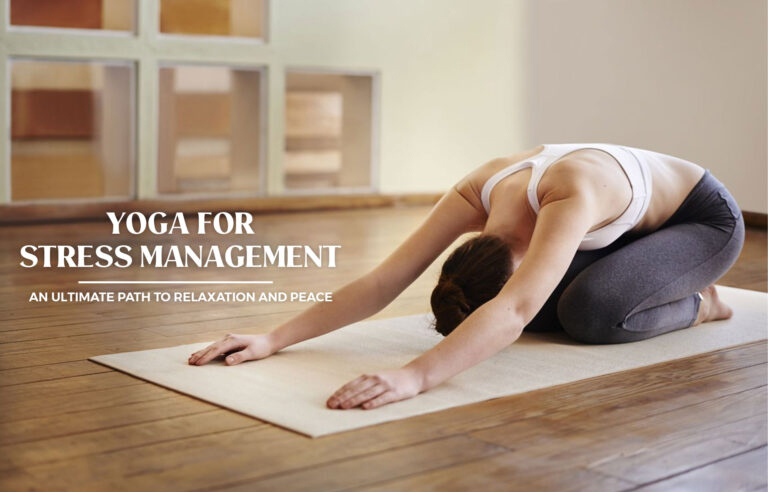
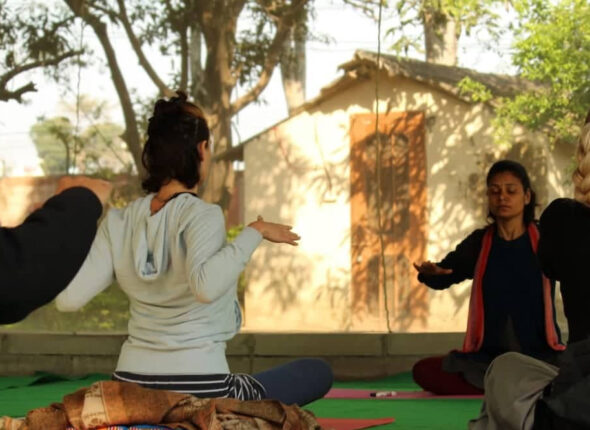

Key Techniques
Effective stress management techniques include physical activity (walking, yoga), relaxation methods (deep breathing, meditation, 4-7-8 technique), and cognitive approaches like journaling or setting boundaries. Prioritize tasks, maintain a healthy diet, get adequate sleep, and connect with loved ones for emotional support.
Key Reasons for Stress Management
- Physical Health Protection: Chronic stress triggers excessive cortisol and adrenaline, which can lead to severe issues like hypertension, heart disease, and weakened immunity.
- Mental Well-being: Managing stress prevents burnout, anxiety, and depression, while enhancing focus and emotional balance.
- Improved Quality of Life: It helps individuals maintain better relationships, higher productivity, and increased patience, which is especially important for maintaining positive personal connections.
- Increased Resilience: It provides tools to adapt to difficult situations, allowing for better coping mechanisms and reduced reactivity.
Common Stress Management Techniques
- Relaxation Techniques: Meditation, deep breathing exercises, and yoga are effective for calming the mind.
- Physical Activity: Regular exercise, such as walking or sports, reduces tension and improves mood.
- Behavioral Changes: Time management and setting boundaries help reduce the load of daily demands.
Other Effective Strategies
- The 5 A's: Avoid, Alter, Accept, Adapt, and Assert.
- Organization: Setting priorities, breaking down tasks, and reducing to-do lists.
- Setting Boundaries: Limiting social media usage and taking breaks.
What is the importance of stress management class 10?
Stress management is crucial for Class 10 students to balance academic pressure, maintain physical/mental health, and enhance performance. It improves focus, boosts immunity, and reduces risk of illnesses like anxiety and insomnia, helping students stay calm and productive during exams. Effective management fosters resilience, confidence, and better emotional control.
- Improved Academic Performance: By minimizing anxiety, students can focus better, manage time effectively, and boost memory, directly leading to better grades.
- Physical & Mental Well-being: It prevents chronic stress, which can cause illnesses like heart disease, obesity, and depression. It helps in maintaining a positive attitude and improved mood.
- Increased Productivity: Managing stress allows for a more efficient study routine, helping students complete tasks on time without feeling overwhelmed.
- Emotional Stability & Relationships: Students learn to cope with daily pressures and setbacks, which leads to better emotional stability, improved self-esteem, and improved relationships with peers and family.
- Techniques for Class 10 Students:
- Time Management: Creating a study schedule and setting achievable goals.
- Physical Activity: Regular exercise, yoga, and playing sports to reduce stress hormones.
- Relaxation Techniques: Practicing deep breathing, meditation, or, as noted on Scribd, pursuing creative hobbies to relax the mind.
- Healthy Lifestyle: A balanced diet and adequate sleep (6-8 hours).
- Social Support: Sharing concerns with friends, family, or counselors.
Benefits of Stress Management
Effective stress management improves overall health by reducing risks of chronic illness (heart disease, diabetes), enhancing mental health (lowering anxiety/depression), enhancing immune function, and boosting energy. It also fosters better sleep, sharper cognitive function, stronger relationships, and increased emotional resilience.

Physical Health Activity
Regular stress management helps lower blood pressure, reduce inflammation, alleviate muscle tension, and improve digestive issues.

Emotional Well-Being
Techniques such as meditation, mindfulness, and exercise reduce anxiety and depression, prevent emotional burnout, and improve mood.

Enhanced Cognitive Function
Managing stress leads to better focus, improved decision-making, and higher productivity by reducing mental clutter.

Improved Sleep Quality
Reducing stress reduces racing thoughts and physical tension, promoting better, more restorative sleep.

Stronger Relationships
Lower stress levels improve patience and communication, leading to better interpersonal relationships at home and work.

Increased Resilience
Effective management techniques help individuals build capacity to handle future challenges and bounce back from setbacks.
Physical Stress Reduction Techniques
- Deep Breathing: Slow, deep breaths reduce cortisol and immediately relieve tension.
- Physical Exercise: Regular exercise, including walking in nature, swimming, or dancing, releases endorphins.
- Muscle Relaxation: Practice progressive muscle relaxation to relieve physical tension.
- Yoga and Tai Chi: These combine rhythmic breathing with movements to calm the body.
- Sleep Hygiene: Ensure 7 to 9 hours of sleep, as insomnia is a major cause of stress.
Cognitive and Behavioral Techniques
- Mindfulness and Meditation: Mindfulness apps can help you stay present and reduce anxiety.
- Journaling: Writing down thoughts can help process stressful events.
- Positive Thinking/Gratitude: Focus on positive aspects and note three things you are grateful for daily.
- Humor: Laughing fires up and then cools down the stress response
Lifestyle Adjustments
- Set Boundaries/Say No: Learn to set limits and avoid overcommitting to reduce overload.
- Time Management: Prioritize tasks and focus on what brings the most value, reducing the urge to be perfect.
- Social Connection: Connect with family and friends to share feelings and get support.
- Reduce Screen Time: Minimize time in front of screens, especially before bed.
- Quick Stress Relievers
- How to Practice the 3-3-3 Rule?
- Why It Works for Stress
- Listen to Music: Soothing music can lower blood pressure and stress hormones.
- 3-Minute Movement: Shake out arms/legs, stretch, or take a quick walk.
- Visualize: Use guided imagery to imagine a calm, peaceful scene.
- 3 Things You See: Look around your immediate environment and name three objects (e.g., a pen, a cloud, a chair).
- 3 Sounds You Hear: Close your eyes and listen to three distinct sounds (e.g., traffic, bird chirping, your own breathing).
- 3 Things You Move: Move three body parts, such as rotating ankles, turning your neck, or tapping fingers, to reconnect with your physical body.
- Grounding: It breaks the cycle of racing thoughts and panic by shifting focus from internal worry to the external, physical world.
- Accessibility: It is a simple, quick, and discreet tool that can be used anywhere, such as before difficult conversations or during high-stress situations.
- Mindfulness: The technique promotes non-judgmental present-moment awareness.
Strategies to Deal with Stress
How quickly do you see results from Yoga? (Reduced stress, Better sleep)
- 17 Apr, 2026
- Com 0
You can feel mental benefits (reduced stress,...
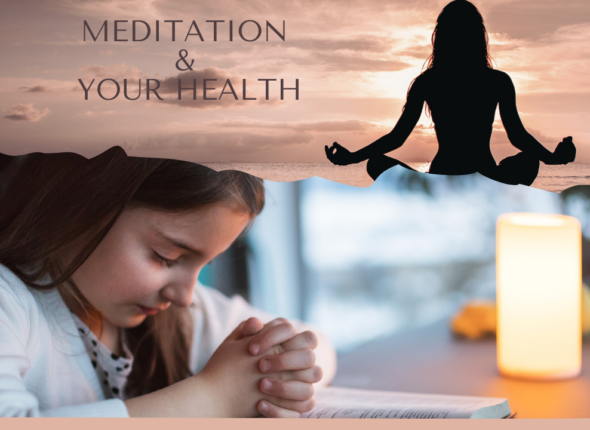
How long does it take for Yoga to Reduce Stress?
- 17 Apr, 2026
- Com 0
Yoga can reduce stress immediately after a single...
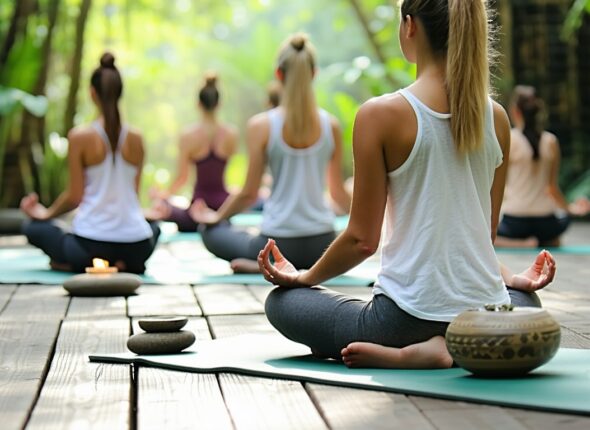
Which Yogic Practice is most Effective for Stress Management?
- 17 Apr, 2026
- Com 0
The best yoga styles for mind relaxation...
How much does a Stress Management Yoga Retreat cost in Rishikesh?
- 17 Apr, 2026
- Com 0
Stress management yoga retreats in Rishikesh typically...
Immediate Strategies to Reduce Work Anxiety
- 17 Apr, 2026
- Com 0
To immediately reduce work anxiety, employ physical...

Best Stress Management Nature Retreat in Rishikesh Price
- 17 Apr, 2026
- Com 0
Top stress management nature retreats in Rishikesh,...
Stress Management Nature Retreat in Rishikesh, India
- 17 Apr, 2026
- Com 0
Stress management nature retreats in Rishikesh offer...
Best Stress Management Holiday Retreat in India
- 17 Apr, 2026
- Com 0
Top stress management retreats in India offer...
How Silence Retreat helps in Stress Management?
- 17 Apr, 2026
- Com 0
A silent retreat helps in stress management...
How Regular Exercise helps in Stress Management?
- 17 Apr, 2026
- Com 0
Regular exercise manages stress by releasing feel-good...
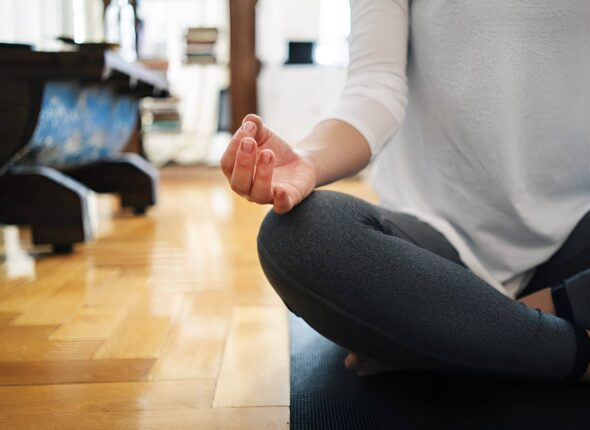
How Meditation Helps in Stress Management?
- 17 Apr, 2026
- Com 0
Meditation reduces stress by triggering the body’s...