







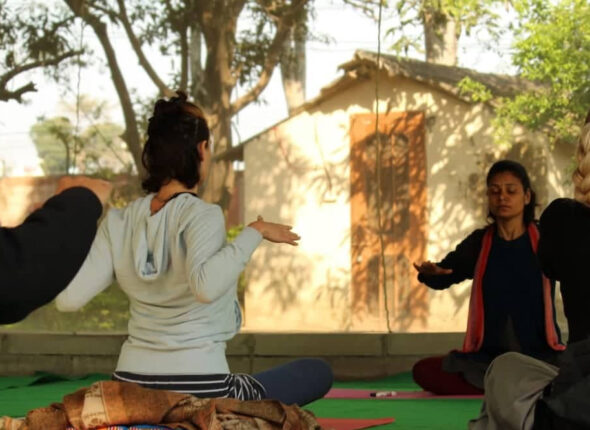

Mindfulness Meditation
Feel the Difference
Mindfulness meditation is the practice of purposely focusing attention on the present moment—thoughts, feelings, and sensations—without judgment. By observing experiences with curiosity and returning focus to the breath, individuals can reduce stress, improve mental clarity, and enhance emotional well-being.

Key Components of Mindfulness Meditation
- Focus on the Present: Being fully engaged with the “here and now,” often using the breath as an anchor.
- Non-Judgmental Awareness: Observing thoughts, emotions, and physical sensations without labelling them “good” or “bad”.
- Acceptance: Allowing sensations to pass through awareness without trying to change them.
Core Steps to Practice Mindfulness Meditation
- Find a Quiet Space: Sit on a comfortable chair or on the floor, keeping your back straight but relaxed.
- Set a Time Limit: Begin with short sessions, such as 5–10 minutes, and increase over time.
- Focus on Your Breath: Notice the sensation of air entering your nostrils or your chest rising and falling.
- Observe Without Judgment: When thoughts interrupt—and they will—do not judge them or obsess over them. Simply notice them, let them go, and return to your breath.
- Be Kind to Your Wandering Mind: A wandering mind is part of the process, not a failure. Gently bring your focus back to the breath, regardless of how many times it wanders.
Simple Mindfulness Techniques
- Body Scan: Lie down and move your attention slowly through each part of your body, from toes to head, noticing any sensations without trying to change them.
- Mindful Walking: Focus on the sensation of your feet touching the ground and the movement of your body.
- Mindful Daily Routine: Apply mindfulness to activities like showering, washing dishes, or eating, by fully engaging with the senses (scent, sound, touch).
Tips for Beginners
- Consistency Matters: Daily practice is more beneficial than long, infrequent sessions.
- Try Guided Sessions: Use free videos or apps (like Insight Timer or Calm) to guide you through your first few sessions.
- Practice Anywhere: You can do a "mini-meditation" while driving, taking a break at work, or before a meal.
Methods to Improve Emotional Health
Emotional healing is a non-linear process of acknowledging, processing, and integrating painful experiences to achieve emotional freedom and wellbeing. It involves moving from resistance to acceptance, fostering self-compassion, and rebuilding self-esteem. Techniques include therapy (CBT, EMDR), mindfulness, and emotional.

Mindfulness/ Meditation

Self-Care

Gratitude

Manage Stress
Importance of Living in Harmony
Living in harmony, both with others and nature, is essential for reducing conflict, lowering stress, and increasing productivity, resulting in enhanced physical and mental well-being. It fosters stronger, supportive relationships and social cohesion while creating a safe, sustainable environment. This peaceful coexistence promotes personal growth and a healthier planet.
By fostering respect, understanding, and empathy, individuals can experience increased happiness and a more stable, peaceful society.
How Meditation Builds Mindfulness
- Enhances Attention Control: Meditation techniques, such as focusing on the breath or a mantra, improve the brain’s ability to sustain attention and stay centered.
- Develops Non-Judgmental Awareness: It trains individuals to observe thoughts and sensations without immediate reaction or judgment, which is the core of mindfulness.
- Reduces "Mind Wandering": Meditation helps identify when the mind has wandered and gently returns it to the present moment, improving focus.
- Rewires Brain Responses: Regular practice reduces activity in the amygdala (the brain's fear center) and strengthens the prefrontal cortex, enhancing emotional regulation and reducing stress.
- Decreases Overthinking: By observing thoughts rather than engaging with them, meditation helps break cycles of anxiety and negative thinking.
Benefits of Combined Meditation and Mindfulness
- Improved Mental Health: Reduced symptoms of stress, anxiety, and depression.
- Better Emotional Regulation: Increased ability to pause and respond to stressful events rather than reacting impulsively.
- Improved Self-Awareness: A better understanding of one's thought habits and bodily sensations.
- Greater Daily Calm: A lingering sense of calm that extends beyond the meditation session into daily life.
- What happens after 20 minutes of meditation?
- What are signs my meditation is working?
A 20-minute daily meditation significantly reduces stress, anxiety, and negative emotions while enhancing focus, emotional regulation, and cognitive function. It promotes better sleep, increases self-awareness, and fosters a calmer, more resilient mindset by reducing activity in the brain's default mode network responsible for rumination.
- Stress & Anxiety Reduction: 20 minutes is effective for lowering cortisol levels and reducing anxiety and depression symptoms.
- Improved Emotional Regulation: It helps cultivate emotional resilience, enabling a calmer, less reactive response to daily stressors.
- Cognitive Enhancement: Regular practice improves focus, attention, memory, and creative problem-solving.
- Better Physical Health: It supports better sleep patterns and can help manage stress-related physical issues.
- Self-Awareness: It boosts self-awareness and fosters a more positive, compassionate mindset.
How to Practice:
- Consistency over Length: The cumulative effect of daily, shorter sessions is often more beneficial than infrequent longer ones.
- Techniques: Focus on breath, perform body scans to release tension, or use guided meditation apps to release negativity.
- Flexibility: You can do 20 minutes all at once, or break it into four 5-minute sessions throughout the day.
One of the first signs that meditation is working is an increase in self-awareness. You may start noticing your thought patterns and emotions more clearly, as though you've stepped outside of your autopilot brain.
Getting Started with Mindfulness
How quickly do you see results from Yoga? (Reduced stress, Better sleep)
- 17 Apr, 2026
- Com 0
You can feel mental benefits (reduced stress,...
How to Join Dhyana Meditation for Mindfulness in the Himalayas
- 17 Apr, 2026
- Com 0
oining a Dhyana (meditation) program for mindfulness...
Dhyana Meditation for Mindfulness in Himalayas India
- 17 Apr, 2026
- Com 0
Dhyana (meditation) in the Indian Himalayas is a...
Mindfulness Meditation Retreat Packages in Himalayas India
- 17 Apr, 2026
- Com 0
Mindfulness meditation retreats in the Indian Himalayas...
7 Day Mindfulness Meditation Holiday to India
- 17 Apr, 2026
- Com 0
A 7-day mindfulness meditation holiday in India,...
A short trip to Mindfulness Meditation Holiday in Rishikesh India
- 17 Apr, 2026
- Com 0
A short mindfulness meditation holiday in Rishikesh,...
Mindfulness Meditation Retreat in India
- 17 Apr, 2026
- Com 0
Top mindfulness and meditation retreats in India...
Why Rishikesh is best for Mindfulness Meditation?
- 17 Apr, 2026
- Com 0
Rishikesh is considered the premier destination for...
Mindfulness Meditation in Nature
- 17 Apr, 2026
- Com 0
Mindfulness meditation in nature involves engaging the senses...
Reasons to Visit Rishikesh for Wellness Retreat?
- 10 Apr, 2026
- Com 0
Rishikesh is the premier destination for a...

What are Core Principles for Happy Health Harmony (HHH)?
- 8 Apr, 2026
- Com 0
Core Principles for Happy Health Harmony (HHH) focus...
The Importance of Mind Body Spirit Balance for Happy Health Harmony
- 8 Apr, 2026
- Com 0
Achieving a balance between mind, body, and...


