



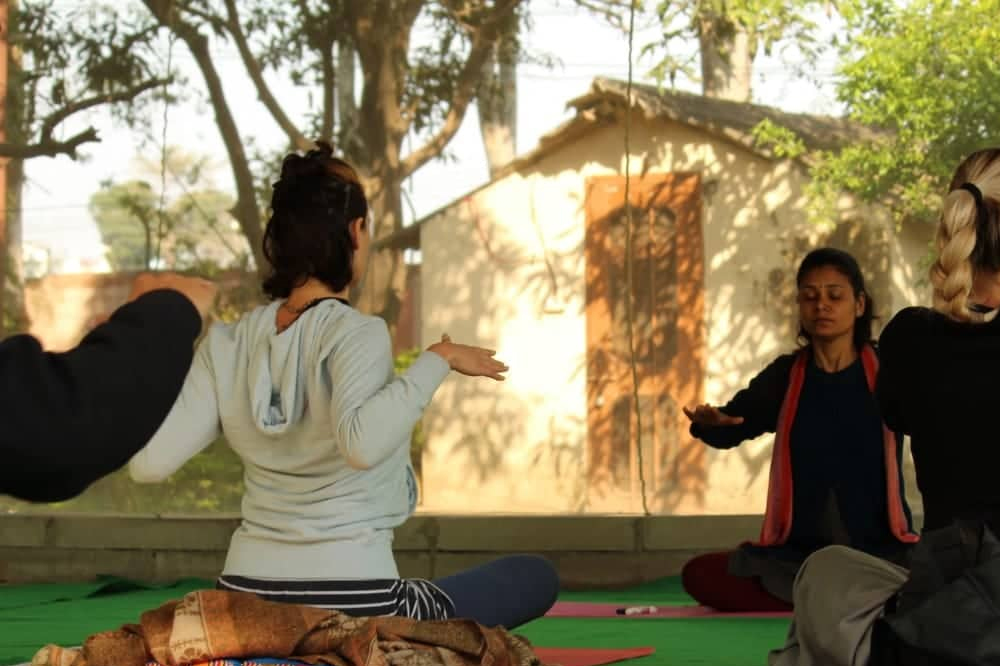
You can feel mental benefits (reduced stress, better sleep) immediately or within one week, while physical results like improved flexibility and strength typically appear within 4-12 weeks of consistent practice. A 30-day consistent practice can lead to noticeable improvements in posture and strength, while deeper body transformations usually take about three months. Regular yoga practice delivers significant physical and mental results, including improved flexibility, muscle strength, balance, and posture. It reduces stress, anxiety, and chronic pain, while promoting better sleep, heart health, and mental clarity through breath control and mindful movement.
- Enhanced Flexibility and Strength: Yoga uses body weight to build muscle endurance and improves flexibility within a few weeks.
- Improved Posture and Balance: Consistent practice strengthens the core and opens tight muscles (shoulders, upper back), enhancing stability.
- Pain Relief: Yoga relieves chronic pain, particularly in the lower back and joints.
- Heart Health: It helps lower blood pressure and improve heart rate variability.
- Increased Energy: Deep breathing and movement improve circulation.
- Stress Management: Yoga lowers cortisol levels and calms the nervous system.
- Improved Mood and Mental Health: Regular practice can reduce symptoms of anxiety and depression.
- Better Sleep: It promotes relaxation, helping with insomnia.
- Mindfulness and Focus: It improves concentration and body awareness.
- Better Mind-Body Connection: Increased awareness of how your body moves and feels.
- Improved Resilience: Develops emotional resilience and calmness.
- Immediate/First Session: Increased feelings of calmness, better breath awareness, and immediate relaxation.
- 1-2 Weeks: Improved flexibility and better sleep quality.
- 4-8 Weeks: Noticeable improvements in muscle strength, endurance, and better posture.
- 12 Weeks (3 Months): Significant improvements in flexibility, physical strength, and possible weight loss.
- Consistency: Practicing 3+ times per week yields faster results than once a week.
- Intensity: Higher-intensity styles like Vinyasa or Power Yoga produce faster strength results than gentle restorative yoga.
- Practice Type: Combining postures (asana) with breathing (pranayama) and meditation provides faster comprehensive benefits.
Consistency is key; practicing for 30 minutes daily often provides better results than one long weekly session. Don’t touch (shower) or drink water for 30 minutes after practice. During illness, after operations, when there is a bandage either for sprains or fractures, one should refrain from practice. They can resume after consulting experts. Don’t perform strenuous exercises after yoga.
Who should not practice yoga?
Yoga should generally be avoided or heavily modified by individuals with specific health concerns, including those with severe vertigo or inner ear issues, acute injuries (sprains, fractures), recent surgeries, uncontrolled high blood pressure, glaucoma, or severe osteoporosis. Consulting a doctor is essential for these groups
-
- Medical Conditions: Those with severe vertigo, inner ear issues, or neurological imbalances may struggle with balance poses. Individuals with high blood pressure, glaucoma, or recent hernia surgery should avoid certain inversions.
- Injuries and Surgery: People with sprains, fractures, or who have recently undergone surgery should avoid yoga until cleared by a professional
- Physical Limitations: Those with hyper-mobility (excessively loose joints) may be at higher risk of injury, while individuals with chronic fatigue syndrome or rheumatic diseases may need to avoid strenuous types of yoga.
- Specific Circumstances: Women should refrain from regular or strenuous, intense poses during menses or pregnancy, opting for modified practices instead.
- Timing: Avoid practicing yoga immediately after a heavy meal; wait at least 2-3 hours.
- General Health: Yoga should not be practiced in a state of extreme exhaustion, acute illness, or in extremely hot or cold environments.
It is highly recommended to consult a doctor before starting yoga if you have any pre-existing health conditions or concerns.