



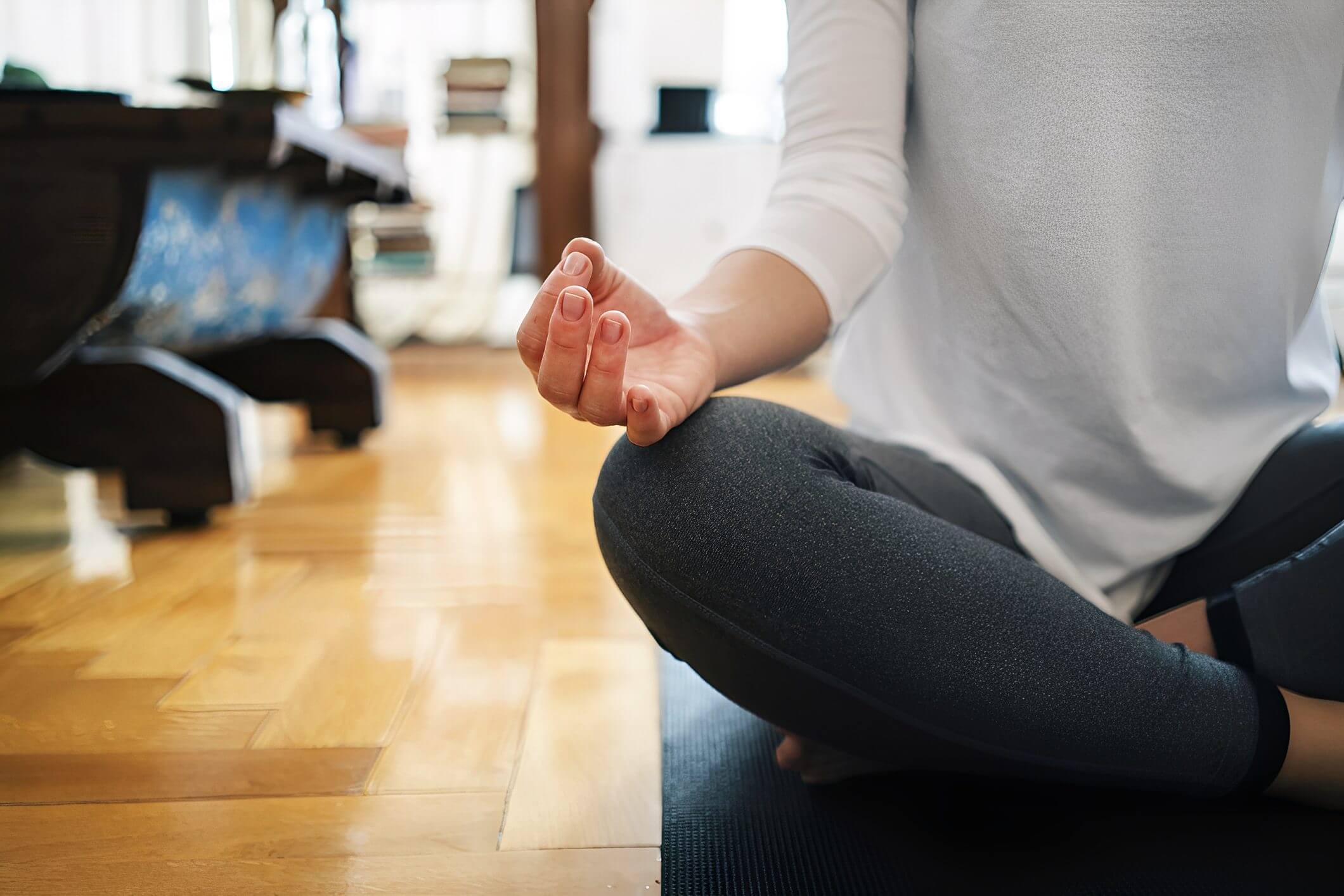
Meditation reduces stress by triggering the body’s relaxation response, lowering stress hormones like cortisol, and decreasing heart rate. It trains the brain to shift from emotional reactivity to calm awareness, strengthening the prefrontal cortex while shrinking the amygdala. Regular practice fosters emotional regulation, enhances focus, and lowers blood pressure.
Key Mechanisms of Stress Reduction:
-
- Physiological Changes: Meditation reduces the sympathetic nervous system’s “fight or flight” response, lowering blood pressure, heart rate, and cortisol levels.
- Neurological Rewiring: Studies show that regular meditation can shrink the amygdala (responsible for fear and anxiety) and improve connectivity in brain regions linked to emotional regulation.
- Reduced Emotional Reactivity: By fostering mindfulness, practitioners learn to observe thoughts without judgment, reducing the intensity of stress reactions to negative stimuli.
- Enhanced Focus and Calm: Focusing on the breath or a mantra reduces the mental “noise” and ruminating thoughts that create anxiety.
- Physical Relaxation: It leads to deeper breathing and increased oxygen efficiency, relaxing body tension.
Techniques to Consider:
- Mindfulness Meditation: Focusing on the present moment, sensations, and feelings without judgment.
- Guided Meditation: Using imagery or guidance to calm the mind.
- Transcendental Meditation: Using a mantra to achieve deep relaxation.
- Body Scans: Focusing on releasing tension in specific body parts.
Even brief, regular practice (such as two minutes daily) can produce significant improvements in stress levels, mood, and productivity.