
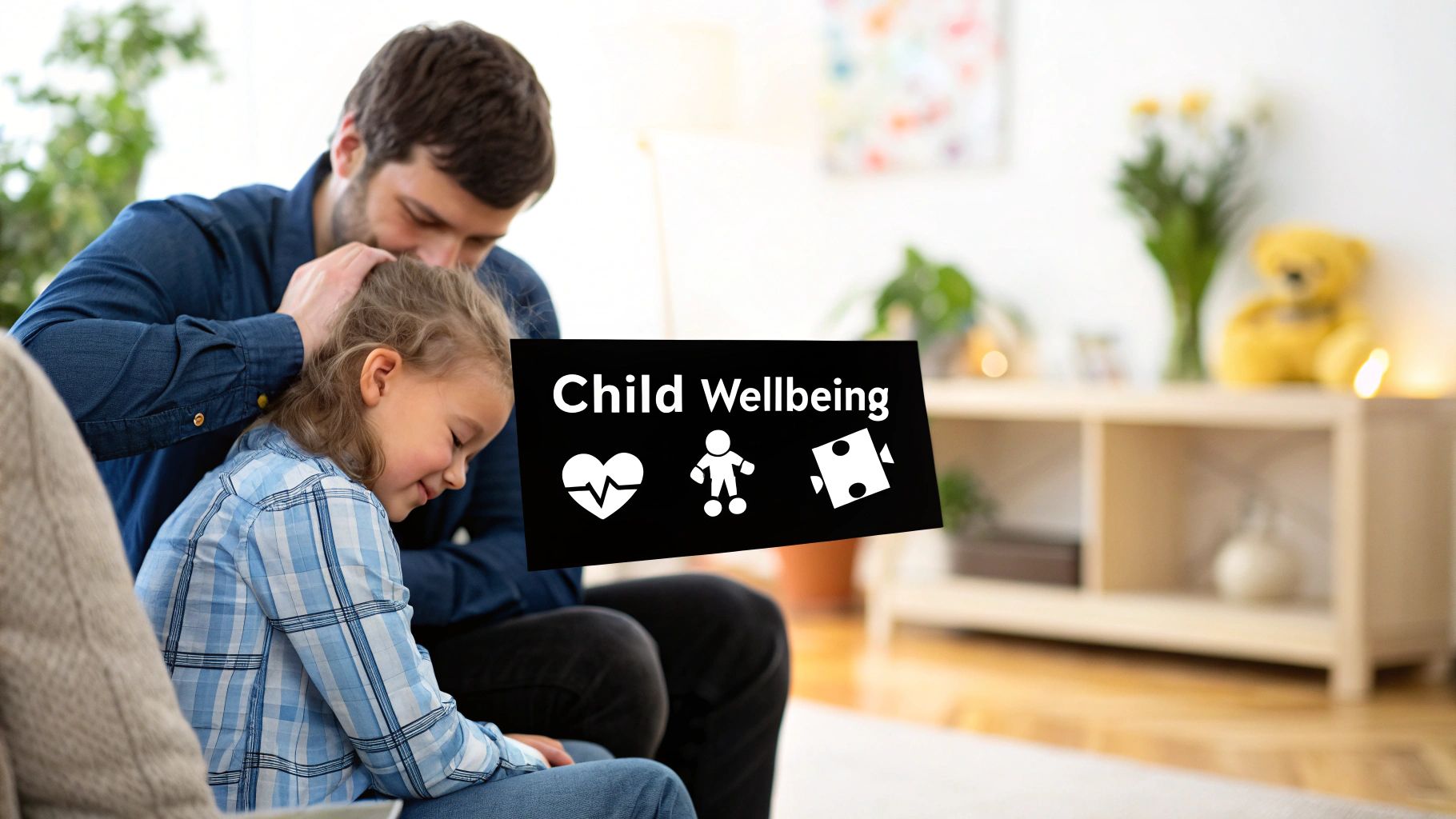


Understanding the
Emotional wellbeing
Emotional health is the set of skills and beliefs that shape our thoughts, feelings and behaviours. It is affected throughout our lives by our relationships.


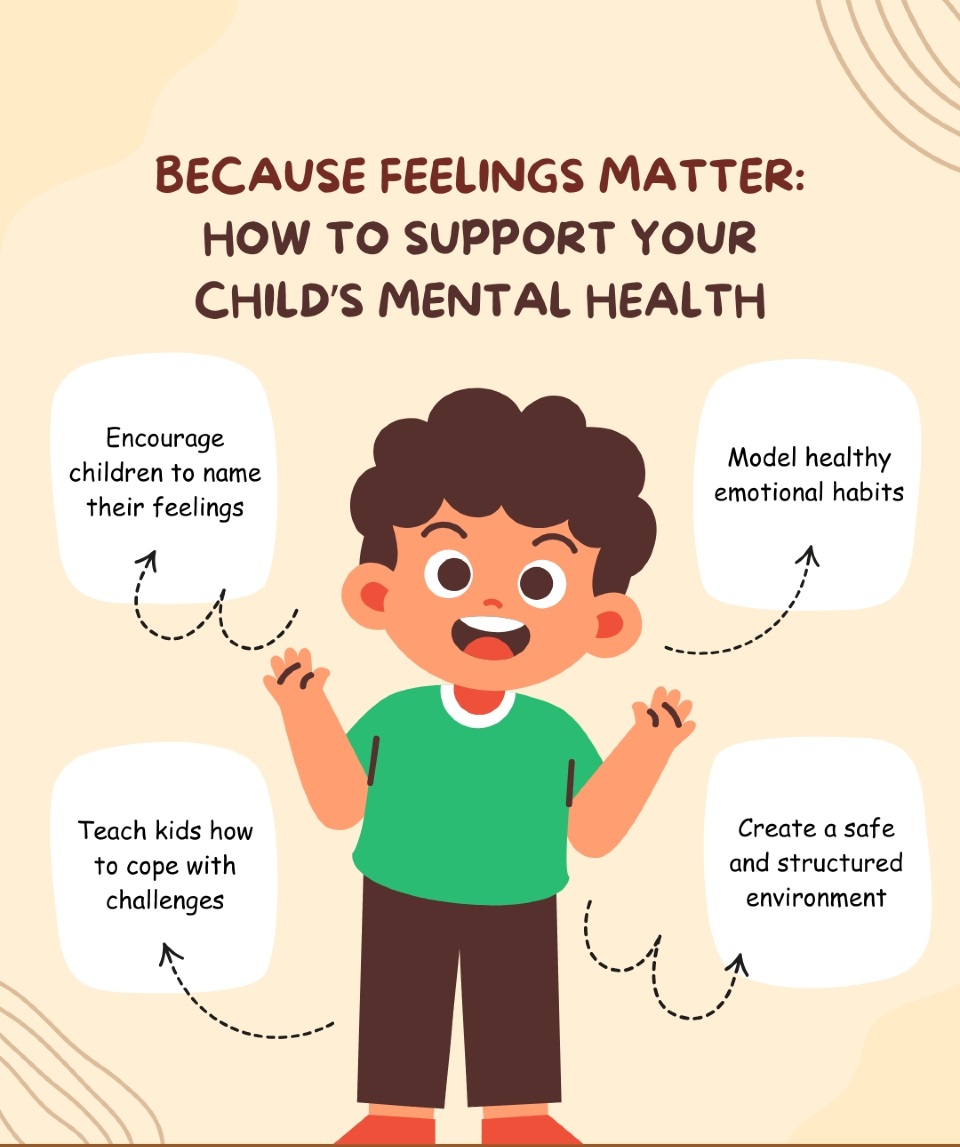
Impacts of Emotional Health on Well-Being
- Brain Development & Learning: Positive emotional health, nurtured by consistent, responsive caregiving, directly shapes early brain development, creating a strong foundation for future learning.
- Resilience and Coping: Emotionally healthy children develop the ability to navigate challenges and recover from adversity.
- Social & Academic Success: Strong emotional regulation is linked to better academic performance and the capacity for forming healthy, positive relationships with peers and adults.
- Physical Health: A secure, loving environment reduces chronic stress, which can otherwise lead to poorer physical health outcomes.
Supporting Child Emotional Health
Provide Stable Caregiving: A dependable, caring adult is essential for creating a secure attachment, which is the cornerstone of mental wellness.
Encourage Open Communication: Create a non-judgmental space for children to share their feelings, such as talking during daily routines.
Encourage Play: Engaging in play strengthens social skills, confidence, and emotional bonds.
Model Coping Skills: Teach children how to manage strong emotions by demonstrating healthy coping strategies, such as taking deep breaths.
Methods to Improve Emotional Health
Emotional healing is a non-linear process of acknowledging, processing, and integrating painful experiences to achieve emotional freedom and wellbeing. It involves moving from resistance to acceptance, fostering self-compassion, and rebuilding self-esteem. Techniques include therapy (CBT, EMDR), mindfulness, and emotional.

Mindfulness/ Meditation

Self-Care

Gratitude

Manage Stress
What does emotional distress look like?
Emotional distress symptoms include persistent sadness, anxiety, irritability, feelings of hopelessness, and trouble concentrating. Physical signs often involve headaches, fatigue, sleep disturbances, and stomach aches. Behavioral changes include social withdrawal, excessive substance use, low performance, and sudden changes in appetite or mood.
If you or someone you know is struggling, help is available. Contact a mental health professional, a helpline, or HHH’s National Helpline for support.
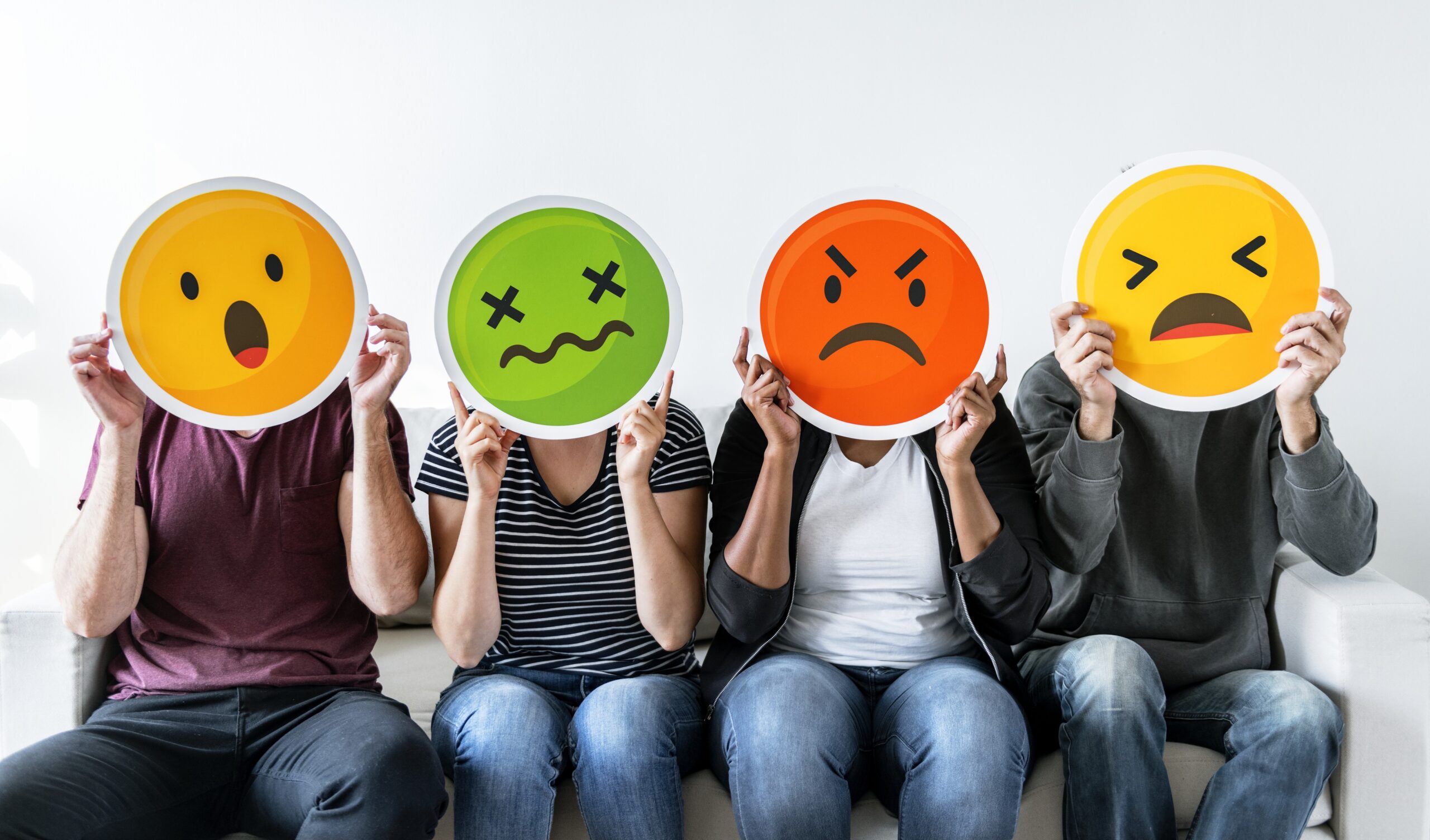
Key Emotional Distress Symptoms
- Emotional: Feeling overwhelmed, crying easily, constant irritability, anxiety, intense grief, and feeling "numb" or detached from reality.
- Physical: Chronic exhaustion, unexplained aches and pains, frequent headaches, and digestive issues.
Cognitive: Difficulty concentrating, making decisions, or remembering things.
Behavioral: Isolation, changes in appetite, reduced interest in hobbies, poor performance at work/school, and increased substance use (smoking, alcohol, drugs).
Warning Signs Requiring Immediate Attention
- Thoughts of suicide, self-harm, or harming others.
- Intense, uncontrollable outbursts of rage.
- Inability to manage daily activities or care for oneself.
- Key Stages of Emotional Healing
- Practical Steps for Healing
- Acknowledgment: Recognizing and validating the pain without judgment.
- Resistance/Acceptance: Moving from denying pain to accepting it as part of life.
- Processing: Actively working through emotions through therapies like CBT, EMDR, or somatic work.
- Reframing/Integration: Changing the narrative of the experience and integrating it into your life story.
- Reflecting/Ongoing Growth: Continuing to apply lessons learned as you grow.
- Practice Self-Compassion: Be patient, as healing takes time and is not linear.
- Name the Emotion: Accurately identify emotions (e.g., fear, anger, guilt) to understand them.
- Express Emotions Safely: Use outlets like journaling, art, music, or crying to release emotional energy.
- Somatic Release: Release trapped trauma in the body through exercises like yoga, breathwork, or trauma release exercises (TRE).
- Set Boundaries: Establish firm boundaries to protect your emotional space.
- Start Small: Implement small, manageable changes to avoid feeling overwhelmed.
Types, Benefits and Approaches
Emotional health is the ability to manage, process, and express emotions in a healthy, productive way. Key examples include practicing mindfulness, maintaining strong social connections, setting firm boundaries, and showing self-compassion. It involves managing stress, understanding triggers, and seeking support when necessary.
What is the difference between mental and emotional health?
Mental health generally refers to cognitive, behavioral, and emotional functioning, including mental health conditions. Emotional health focuses specifically on your ability to understand, process, and express emotions.
What are signs of good emotional health?
Signs include being aware of your emotions (and the reasons behind them), managing stress effectively, being resilient, maintaining healthy relationships, and being able to express feelings appropriately.
How can I improve my emotional health?
- Manage stress: Practice mindfulness, meditation, or yoga.
- Stay active: Physical exercise reduces stress.
- Build connections: Cultivate supportive relationships.
- Self-care: Get enough sleep and eat healthy.
- Journal: Write down feelings to process them.
What causes poor emotional health?
Factors include chronic stress, major life changes (job loss, moving), lack of social support, and unresolved past trauma.
When should I seek professional help?
If your emotions are overwhelming, affecting your daily life (work, relationships), or leading to unhealthy coping mechanisms (substance use), seek a therapist.
Can emotional health be improved?
Yes, emotional health is a skill that can be developed at any stage of life through practice and, when needed, professional support.

Common challenges in Emotional Health
Emotional health is often affected by stress from work, finances, family responsibilities or ongoing health issues. Loneliness, lack of support and conditions like anxiety or depression can also make it harder to cope. It can lead to low motivation, irritability or disrupted sleep. Other challenges include chronic fatigue, negative thinking, unresolved conflicts, long-term illness, substance use, low self-esteem and past trauma. Major life changes can also unsettle emotional balance.
How lifestyle choices impact emotional well-being
Lifestyle habits strongly influence emotional well-being. Regular movement and good sleep help stabilise mood, improve focus and reduce stress. On the other hand, inconsistent sleep, low activity or irregular routines can make emotions harder to manage and affect overall energy levels.
Social habits and daily behaviours matter as well. Staying connected with supportive people strengthens emotional resilience, whereas excessive screen time, negative content or substance use can increase stress or lower self-esteem. Choosing healthier routines, taking breaks and creating mindful moments all contribute to better emotional and physical well-being.
Relationship between physical and emotional health
Physical and emotional health are closely linked. Good physical health supports stable moods and energy levels. In contrast, low emotional health can increase stress, weaken the immune system and affect overall functioning.
Healthy habits, regular movement and proper care contribute to a better balance between the body and mind.
Emotional Health Resources

Reasons to Visit Rishikesh for Wellness Retreat?
- 10 Apr, 2026
- Com 0
Rishikesh is the premier destination for a...

What are Core Principles for Happy Health Harmony (HHH)?
- 8 Apr, 2026
- Com 0
Core Principles for Happy Health Harmony (HHH) focus...
The Importance of Mind Body Spirit Balance for Happy Health Harmony
- 8 Apr, 2026
- Com 0
Achieving a balance between mind, body, and...

A Mind Body Connection for Happy Health and Harmony (HHH)
- 8 Apr, 2026
- Com 0
Achieve physical and mental balance through yoga...

Factors Behind the Production of Happiness Hormones
- 8 Apr, 2026
- Com 0
Happiness hormones—dopamine, serotonin, oxytocin, and endorphins—are produced...