



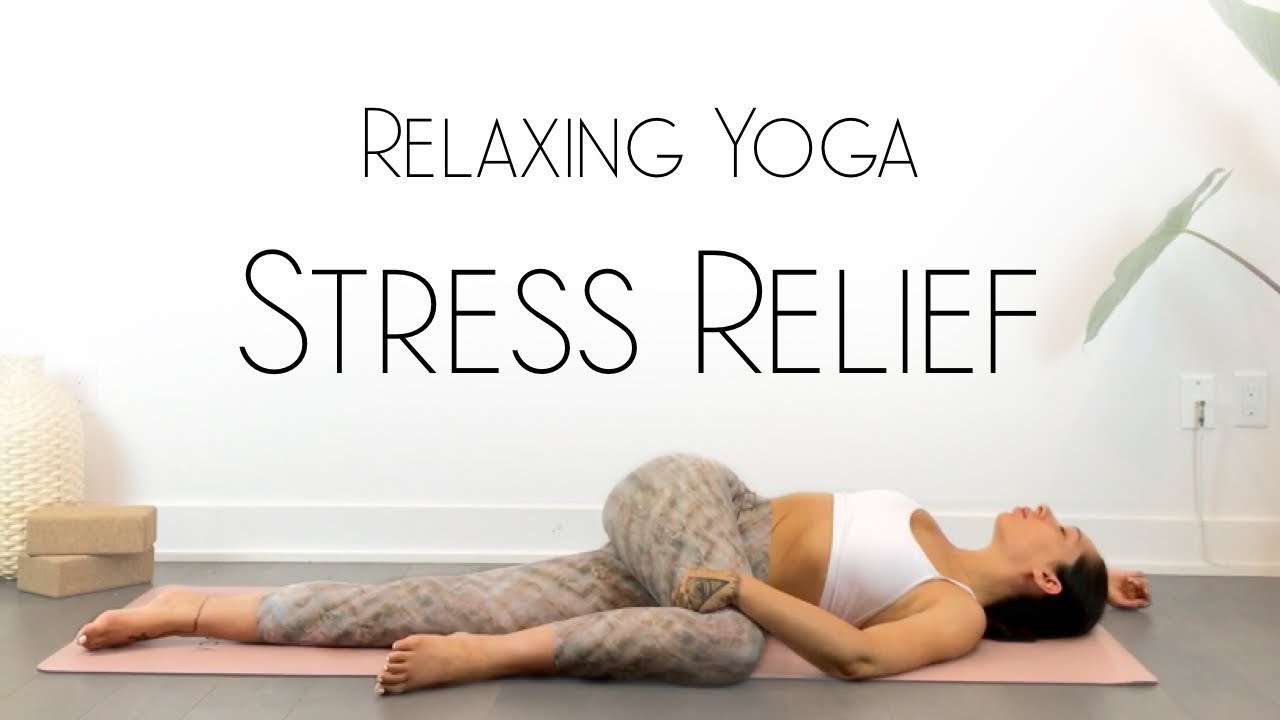
To immediately reduce work anxiety, employ physical calming techniques like the 4-7-8 breathing method (inhale 4s, hold 7s, exhale 8s) or the 5-4-3-2-1 grounding technique to refocus on the present. Break overwhelming tasks into small, manageable steps, set strict boundaries on communication, and step away from the workspace for brief, regular breaks.
Immediate Physical and Mental Strategies
- Deep Breathing: Inhale through the nose for 4 seconds, hold for 7, and exhale slowly through the mouth for 8 seconds to lower heart rate.
- Grounding Exercise: Name 5 things you see, 4 you can touch, 3 you hear, 2 you smell, and 1 you taste to anchor yourself.
- Physical Movement: Shrug shoulders, roll your neck, or walk away from your desk for 5 minutes to release tension.
- Guided Imagery: Spend one minute imagining a safe or happy place to disrupt anxious thoughts.
- Sensory Calm: Use calming desk items, such as pictures of pets, plants, or soothing scents to reduce stress.
- Prioritize Ruthlessly: Identify the single most important task and focus only on that, breaking it into tiny, non-threatening steps.
- Set Digital Boundaries: Close email clients or disable notifications temporarily to stop the feeling of being “always on”.
- Communicate Immediately: If a deadline is unrealistic, communicate this immediately rather than struggling in silence.
Immediate Social/Environmental Strategies
- Express Emotions: Briefly talk to a trusted colleague or, if possible, step out to talk to a friend to put things in perspective.
- Avoid Gossip: Physically walk away from office drama or gossip, as this increases tension and stress levels.
Communication & Structural Boundaries
- Set Boundaries on Technology: Turn off notifications and set clear “on” and “off” hours to protect your personal time.
- Initiate Crucial Conversations: Speak with your supervisor to clarify expectations if you are feeling overwhelmed, aiming to define, delegate, or eliminate unnecessary tasks.
- Use “I” Statements for Solutions: When requesting adjustments, focus on solutions rather than just problems, for example: “I am feeling overwhelmed by this deadline and need to adjust the scope to deliver high-quality work”.
- Establish a Morning Intentionality Routine: Avoid checking email immediately. Instead, start your day by setting your own goals or taking a moment to breathe.
- End-of-Day Review: Before logging off, create a to-do list for the next day to help your mind switch off from work and decrease the “Sunday Scaries”.
- Use Positive Reappraisal: Challenge catastrophic thoughts (“This is a disaster”) by identifying evidence to the contrary (“This is a challenge, but I have handled similar situations before”).
For ongoing, chronic work anxiety lasting over six months, consider seeking professional help, such as Employee Assistance Programs (EAPs) or therapy.
Rishikesh offers several top yoga schools, such as World Peace Yoga School, Arogya Yoga School, and Nirvana Yoga School, designed to reduce work anxiety through, meditation, and traditional, serene practices in the Himalayas. These schools often focus on breathwork, meditation, and restorative poses to manage burnout, improve sleep, and restore hormonal balance.
- World Peace Yoga School: Known for a supportive community and knowledgeable teachers in a serene environment, excellent for reducing, anxiety.
- Arogya Yoga School: A respected institution in the heart of Rishikesh, offering traditional practices in the Himalayan foothills.
- Nirvana Yoga School: Offers specialized courses combining Ayurveda, Meditation, Yoga Nidra, and Hatha Yoga to tackle mental stress.
- Rishikesh Yogkulam: Registered with Yoga Alliance USA, providing focused teacher training that promotes mental relaxation and physical well-being.
- Himalayan Yoga Association: Offers specialized Yin Yoga and restorative teacher training courses suitable for calming the nervous system.
- Meditation and Yoga Nidra: Specifically focused on calming the nervous system and reducing mental chatter.
- Hatha and Yin Yoga: Focus on holding poses to release deep tension, fostering mental clarity.
- Sound Healing/Reiki: Available at places like the Himalayan Yoga Association for emotional healing.
- Savasana (Corpse Pose): A core practice at most centers for profound relaxation and nervous system resetting.
Schools like Vinyasa Yoga Ashram also offer specific insights into managing corporate stress through yoga, reducing burnout.