



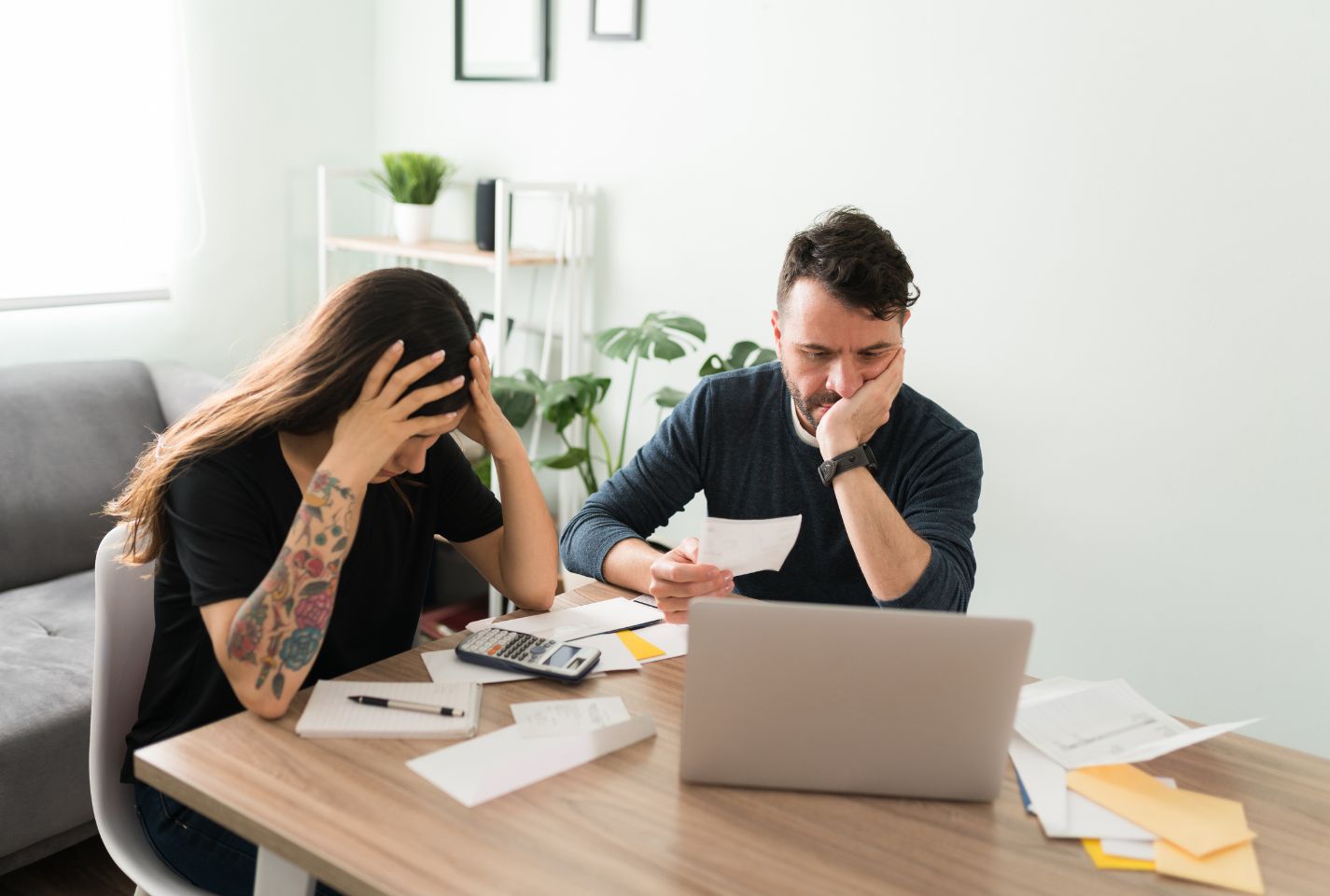
Dealing with work stress and anxiety involves setting strict boundaries, prioritizing tasks, and practicing self-care. Effective strategies include taking regular breaks, using deep breathing or meditation, and communicating with managers about workload. Establish a healthy work-life balance by disconnecting from technology after hours and creating a calming, non-work environment at home.
Immediate Strategies to Reduce Work Anxiety
-
- Deep Breathing/Mindfulness: Take short breaks to practice deep breathing or meditation to calm your mind.
- Take Micro-breaks: Step away from your desk to stretch, walk, or grab water to break up stressful tasks.
- Get Organized: Prioritize your tasks by creating a to-do list, tackling the most difficult tasks first, and avoiding multitasking.
- Create a “No-Work” Space: If working from home, designate a specific area for work and leave it at the end of the day to maintain a physical boundary.
Long-Term Stress Management Techniques
- Set Clear Boundaries: Do not check work emails, messages, or answer phones outside of designated working hours.
- Nurture Life Outside Work: Engage in hobbies, spend time with loved ones, or engage in physical activity (yoga, running) to disconnect and release tension.
- Let Go of Perfectionism: Focus on your efforts, not just the outcome, and recognize that mistakes are a part of learning, not a personal failure.
- Develop End-of-Day Routines: Tidy your workspace or make a to-do list for the next day to help your brain switch off from work mode.
Workplace Support and Communication
- Talk to Your Manager: Discuss your workload or ask for clearer expectations if you feel overwhelmed, as employers often have a duty of care to address stress.
- Use Employee Assistance Programs (EAPs): Many companies offer free, confidential counseling or support services.
- Seek Social Support: Talk to colleagues about how you feel to build a positive environment.
Lifestyle Habits for Resilience
- Get Enough Sleep: Maintain good sleep hygiene by avoiding screen time (phones/laptops) at least an hour before bed.
- Eat Healthily: Maintain a balanced diet, stay hydrated, and limit excessive caffeine or alcohol, which can exacerbate anxiety.
- Take Time Off: Utilize holiday time to fully recharge.