



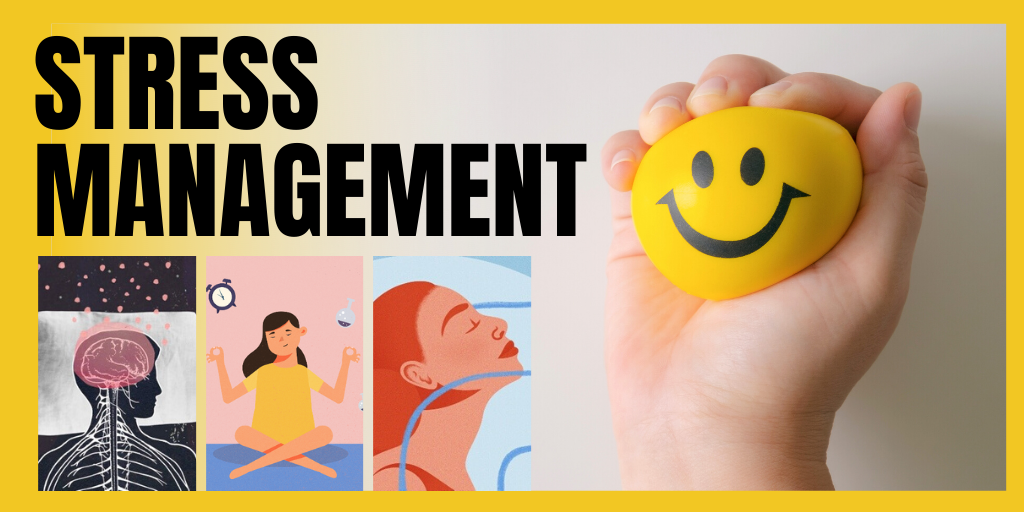
Managing work stress involves prioritizing tasks, setting firm boundaries, and developing healthy coping mechanisms. Key strategies include organizing your workload, taking regular breaks, communicating with supervisors about high pressure, practicing mindfulness, and ensuring healthy habits like exercise and sleep outside of work hours.
Actionable Strategies for Managing Workplace Stress:
- Prioritize and Organize: Create daily to-do lists, tackle high-priority items first, and break large projects into smaller, manageable steps. Use tools like the Eisenhower Box to categorize tasks by urgency and importance.
- Set Boundaries: Establish a clear work-life balance by not checking emails, taking work calls, or working overtime consistently. Know when to say no to additional tasks to manage your workload.
- Communicate with Managers: If work becomes unmanageable, speak to your supervisor about restructuring workload or setting realistic targets.
- Take Productive Breaks: Step away from your desk for lunch and take short breaks throughout the day to recharge.
- Practice Mindfulness and Relaxation: Utilize meditation, yoga, or deep breathing exercises to manage stress symptoms.
- Improve Physical Health: Regular exercise (such as brisk walking), adequate sleep, and a healthy diet can improve your body’s ability to handle stress.
- Manage Your Environment: Minimize distractions and declutter your workspace to enhance focus and reduce feelings of overwhelm.
Spotting the Signs of Stress:
It is essential to recognize the physical and emotional effects early, which include headaches, a pounding heart (palpitations), a dry mouth, or loss of appetite. If these persist, consider seeking professional advice or utilizing company-sponsored wellness resources.