



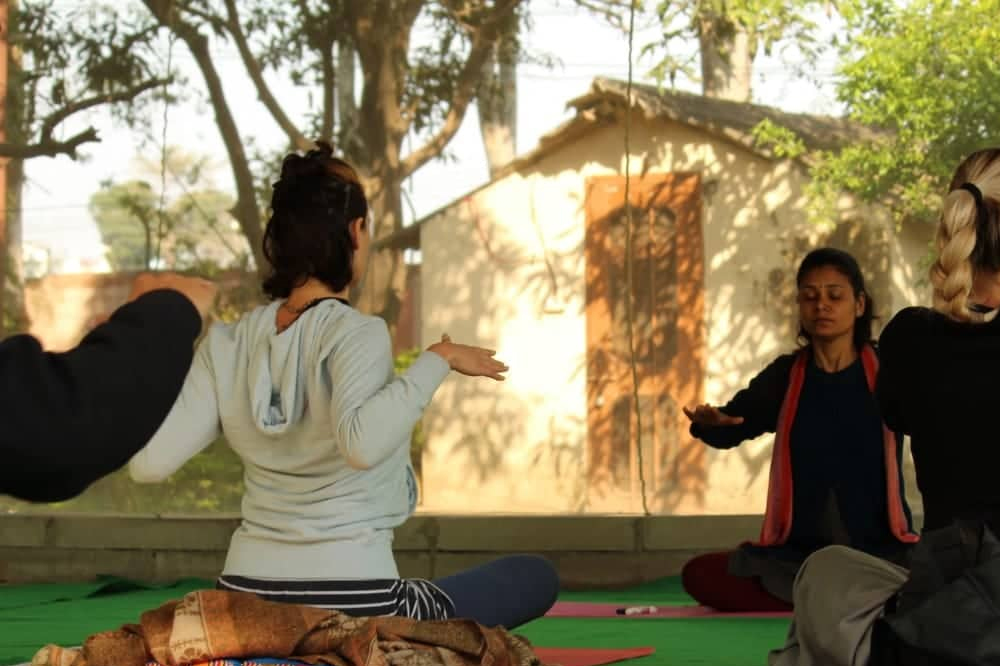
India is widely considered the cheapest country for a wellness retreat, offering budget-friendly yoga, meditation, and Ayurveda programs in hubs like Rishikesh, Goa, and Kerala. Other top affordable destinations include Nepal (particularly Kathmandu), Bali (Indonesia), and Thailand.
- India: Known as the yoga capital, Rishikesh offers retreats starting from around for several days. Programs focusing on Ayurveda and detoxification are common in Kerala and Goa.
- Nepal: Kathmandu offers high-altitude meditation and yoga retreats with very low daily costs, often less than half of Western prices.
- Bali, Indonesia: A top destination for affordable luxury, with extensive options for yoga, healing, and wellness in Ubud.
- Thailand: Known for affordable holistic wellness, including spa treatments, yoga, and healthy living programs.
Key Tips for Budget Retreats:
- Local Ashrams: Opt for ashrams in India for the lowest prices, which often include simple accommodation and vegetarian meals.
- Time it Right: Travel during the off-season to places like Bali and Goa for better rates.
- Duration: Short 2-3 day retreats are available, but longer 7-30 day stays offer better value per day.
Planning & Budgeting Tips:
- Define “Why” First: Clearly outline objectives to determine where to allocate resources and what can be cut.
- Set a Strict Budget & Contingency: Create a detailed budget tracker (e.g., Google Sheets) and set aside a 10–15% contingency fund for unexpected costs.
- Use Flexible Dates: Avoid peak seasons and rigid dates to secure better rates.
- All-Inclusive vs. à la Carte: While all-inclusive seems easy, choosing à la carte often allows for tailoring experiences and cutting unnecessary extras.
- Negotiate Everything: Negotiate with venues for lower rates, complimentary upgrades, or free meeting spaces.
Location & Accommodation
- Off-Season/Shoulder Season: Book during off-peak times (e.g., November in Portugal) to reduce costs by over 50%.
- Non-Traditional Venues: Rent villas, large Airbnb houses, or cabins, which often offer more space and better value than multiple hotel rooms.
- Consider Location Value: Choose emerging, more affordable locations over popular expensive ones (e.g., rural Spain over city centers).
Food & Activities
- Team Cooking Nights: Instead of dining out, arrange “team cooking” sessions to reduce catering costs and boost engagement.
- In-House Activities: Utilize internal skills for workshops—painting, yoga, or professional development—instead of hiring expensive external facilitators.
- Low-Cost Entertainment: Plan activities like scavenger hunts, hiking, beach games, or bonfire nights, which are highly interactive but low-cost.
- Local Immersion: Use free, local experiences like street food tours rather than costly guided excursions.
Logistics & Sustainability:
- Group Transport: Organize shared shuttles, vans, or public transport rather than reimbursing individual taxi rides.
- Eco-Friendly Focus: Eco-friendly venues often offer competitive rates, and minimizing waste (digital agendas) reduces expenditures.
- Virtual Site Visits: Save on scouting costs by using virtual tools and reviews.
For distributed teams, regional in-person meetups or hybrid (virtual/in-person) experiences are more effective than trying to transport everyone to a single, expensive location.