



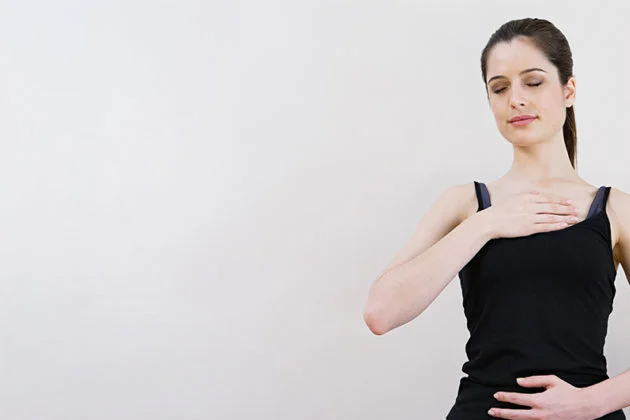
Diaphragmatic breathing—often called “belly breathing” or “deep breathing”—is a foundational technique for achieving mental and physical harmony by actively engaging the diaphragm muscle, which sits below the lungs. By shifting from shallow, rapid chest breathing to slow, deep abdominal breathing, it flips the body’s nervous system from a “fight or flight” stress response to a “rest and digest” parasympathetic state, promoting overall health.
Key Aspects of Diaphragmatic Breathing
- Mechanism: When you inhale, the diaphragm contracts and moves downward, expanding the belly while the chest remains relatively still. When you exhale, the diaphragm relaxes and moves upward, pushing air out, which allows the abdomen to fall.
- The “Harmony” Effect: This type of breathing connects the mind and body by regulating physiological states (heart rate, blood pressure) and calming the mind. It is described as a “bridge” between body and mind, grounding individuals in the present moment.
Benefits for Health and Harmony
- Stress & Anxiety Reduction: It lowers cortisol levels (the stress hormone) and activates the vagus nerve, which triggers a calm, relaxed state.
- Physical Well-being: It boosts oxygen levels in the blood, lowers blood pressure, and reduces the heart rate.
- Better Digestion: It acts as a gentle massage for internal organs, improving motility and reducing symptoms of gastrointestinal issues like IBS.
- Improved Energy & Focus: The increased oxygen flow to the brain enhances cognitive function, concentration, and mental clarity.
- Respiratory Efficiency: It strengthens the diaphragm and allows for fuller lung capacity, reducing the energy cost of breathing.
How to Practice (For Daily Harmony)
- Position: Lie on your back (or sit comfortably), placing one hand on your chest and the other on your belly below the ribs.
- Inhale: Breathe in slowly through your nose. Aim to make the hand on your belly rise, while the hand on your chest stays still.
- Exhale: Purse your lips (like blowing out a candle) and exhale slowly. Feel the belly move inward to its original position.
- Consistency: Practice this for 5 to 10 minutes, several times a day.
Tips for Success
- Start Simple: If it feels awkward at first, that is normal. Regular, consistent practice makes it a natural rhythm over time.
- Visualize: Imagine your abdomen as a “happy balloon” filling with air.
- Add it to Routines: Try this just before sleep to calm racing thoughts or during stressful moments at work to instantly lower tension.