



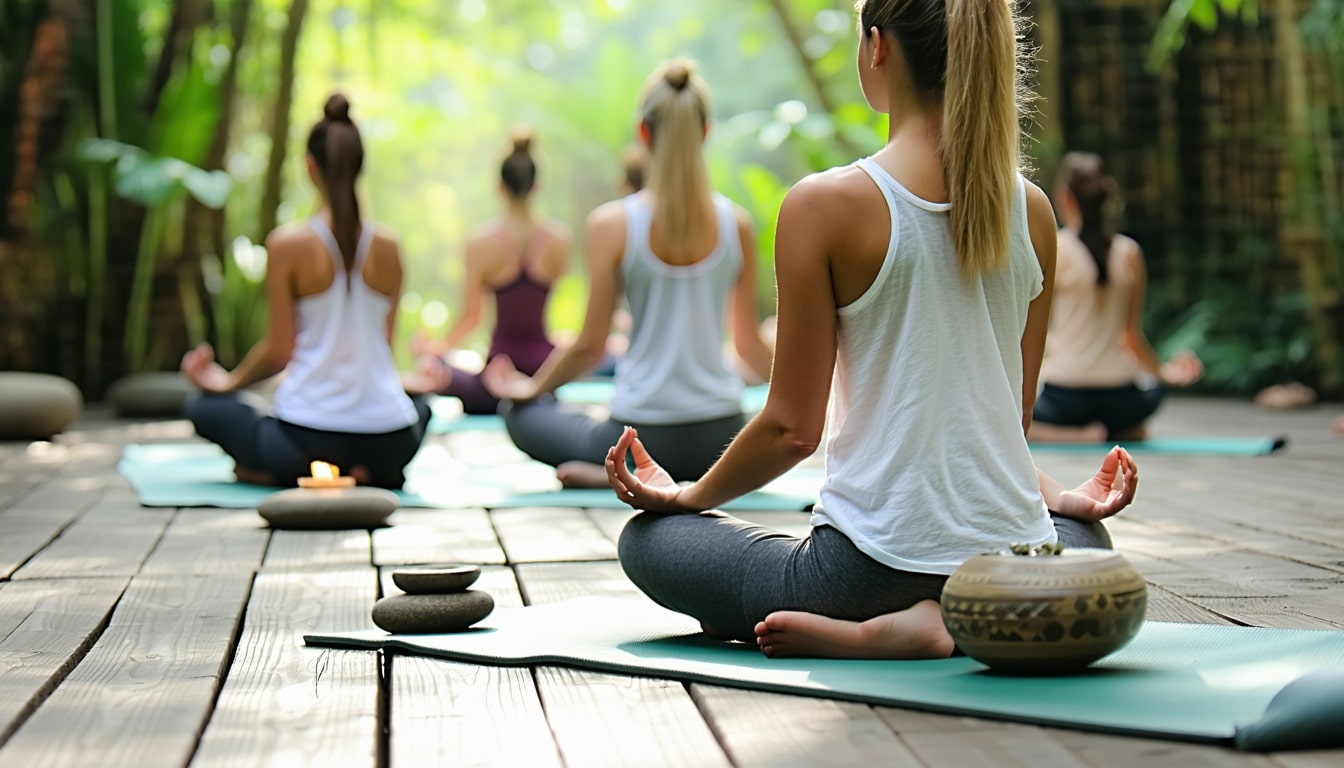
Yoga acts as a natural, holistic system for stabilizing the mind and emotions by addressing the body-mind connection, utilizing controlled breathing to calm the nervous system, and employing physical postures (asanas) to release stored tension. By shifting the body from a “fight-or-flight” (sympathetic) state to a “rest-and-digest” (parasympathetic) state, yoga reduces cortisol levels and helps process stagnant emotions like anxiety, anger, and grief, moving the practitioner towards inner balance.
Here is how yoga naturally manages upheavals of mind and emotions:
1. Releasing Stored Emotions via Asanas
Emotions and trauma are often stored in the tissues of the body as physical tension.
- Targeted Areas: Poses focusing on the pelvic/hip region (often holding guilt or fear), heart region (hurt or sadness), and shoulders/neck (stress/worry) can trigger emotional release.
- Key Poses: Hip openers (Pigeon Pose), heart openers (Camel Pose), and gentle stretches are especially effective at uncovering and letting go of pent-up feelings.
- Catharsis: It is common for deep-seated emotions to surface during practice, sometimes resulting in tears or joy, which provides a natural cleansing effect.
2. Calming the Mind and Nervous System (Pranayama)
Yogic breathing exercises, or pranayama, regulate the nervous system to decrease anxiety and increase mental alertness.
- Vagus Nerve Stimulation: Techniques like Bhramari (Humming Bee Breath) stimulate the vagus nerve, reducing the heart rate and blood pressure.
- Balanced Breathing: Nadi Shodhana (Alternate Nostril Breathing) brings balance to the right (active) and left (calm) hemispheres of the brain, aiding in emotional equilibrium.
3. Developing Mindfulness and Self-Awareness
Yoga teaches practitioners to observe their thoughts and emotional swings without judgment, rather than reacting to them.
- Witness Consciousness: Meditation and Savasana (Corpse Pose) cultivate a “witness” perspective, allowing individuals to watch emotions rise and fall without being overwhelmed.
- Reduced Ruminating: Regular practice decreases “mind-wandering” and ruminating thoughts, which are often associated with anxiety and depression.
4. Physiological Rebalancing
Yoga acts directly on the body’s internal systems to change one’s emotional chemistry.
- Increased GABA Levels: Studies show that regular yoga increases levels of gamma-aminobutyric acid (GABA), a neurotransmitter associated with better mood and decreased anxiety.
- Lowering Cortisol: Regular practice reduces stress hormones, alleviating feelings of overwhelm and promoting a calmer, more optimistic mental state.
5. Cultivating Lifestyle and Inner Strength
Yoga serves as a system of disciplining the lifestyle, which stabilizes emotional fluctuations.
- Equanimity: The ultimate goal of yoga is to stop living in emotional extremes, creating a balanced, or “equanimous” state.
- Daily Routine: A daily, consistent practice—even 10–15 minutes of gentle movement or breathing—is likened to a daily dose of “feel-good” medicine that builds resilience over time.