



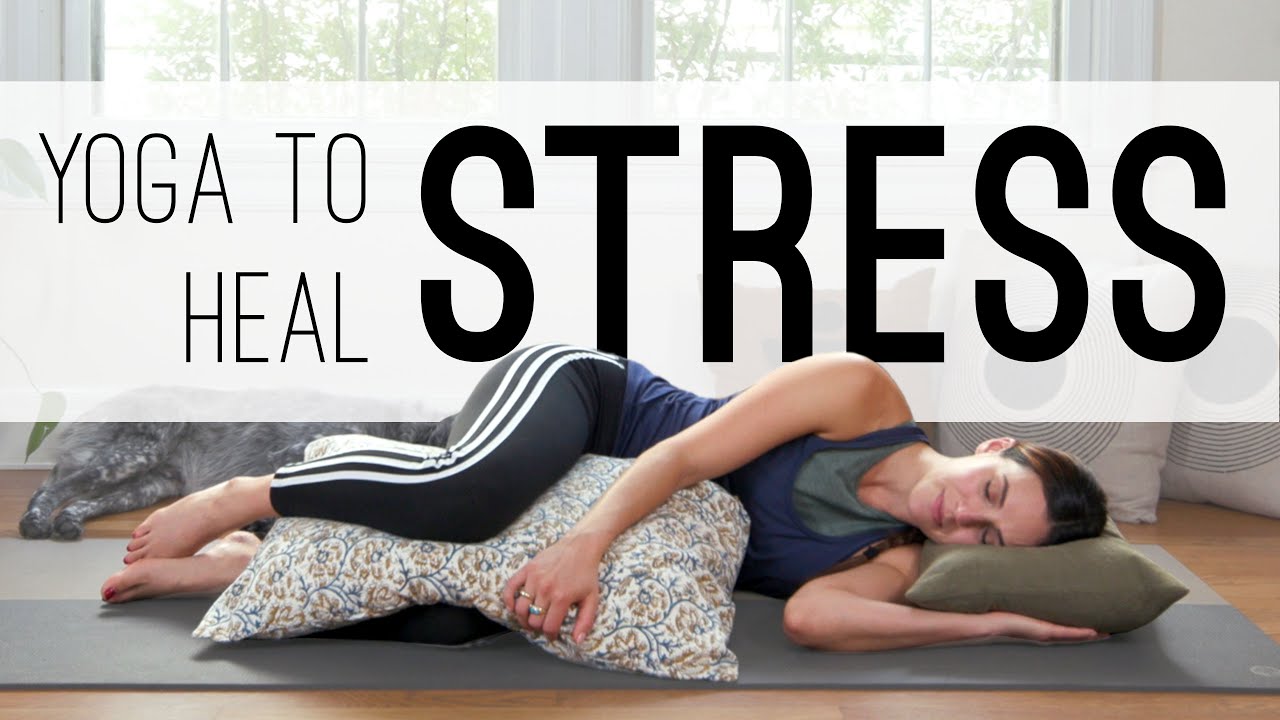
A silent retreat helps in stress management by providing a structured, immersive environment that removes external distractions, allowing the nervous system to shift from a “fight-or-flight” state to a “rest-and-restore” parasympathetic mode. By intentionally refraining from speaking and using digital devices, participants can break the cycle of constant stimulation, leading to profound relaxation, mental clarity, and the release of deep-seated tension.
Here is how a silent retreat supports stress management:
- Nervous System Reset: Extended periods of silence, often combined with guided meditation and breathwork (like SKY Breath Meditation), significantly lower cortisol levels (the stress hormone) and reduce physical tension.
- Reduced Emotional Reactivity: By stopping the constant flow of information and conversation, participants gain mental space to process emotions, leading to improved mood stability, increased patience, and reduced anxiety.
- Mental Decluttering and Focus: The “noise” of everyday life fuels stress. Silence allows the mind to slow down and reorganize, which improves concentration, sharpens decision-making, and enhances creativity.
- Deepened Self-Awareness: Without external distractions, participants can observe their own habitual thought patterns and identify specific stress triggers, which builds long-term resilience.
- Deep Relaxation and Better Sleep: The combination of meditation, yoga, and silence acts as a “detox” for the mind and body, frequently resulting in improved sleep quality and reduced feelings of burnout.
- Lasting Tools for Daily Life: Participants often learn techniques (meditation, breathing exercises) during the retreat that they can continue to use at home to maintain a calmer, more balanced life.
What to Expect During a Retreat
Silent retreats are rarely just sitting in silence; they are usually structured with:
Silent retreats are rarely just sitting in silence; they are usually structured with:
- Guided Meditations: Techniques designed to help the mind enter a state of deep rest.
- Yoga and Gentle Movement: To help release physical tightness.
- Nature Time: Outdoor activities in serene environments to enhance the calming experience.
- Noble Silence: A commitment to refrain from talking, which helps turn the focus inward.
For many, the first day or two can be mentally busy, but the subsequent deep rest and rejuvenation are considered profound, making it a valuable tool for managing chronic stress and anxiety.